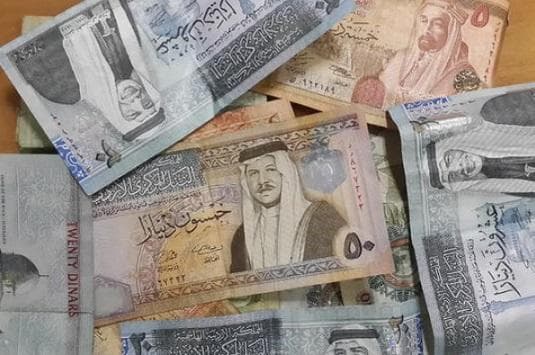
You reach into your pocket and it is gone. You check your bag, your wallet, your coat — and the money has simply vanished. Or perhaps it is something more specific: a precious piece of jewelry, an important document, a family heirloom. Whatever it is, the loss in the dream is accompanied by a particular quality of distress — the sick, sinking feeling of having something irreplaceable disappear.
Dreams about losing money or valuables rank among the most emotionally vivid experiences the sleeping mind produces. People wake from them with racing hearts, sometimes checking their wallet or phone before fully realizing they are still in bed. The emotional reality of the dream outlasts the images themselves.
In Islamic tradition, this experience is taken seriously and interpreted with care. Money and valuables in dreams are understood to represent much more than their face value — they speak to provision, trust, honor, and the dreamer's relationship with the world. This article examines what the classical scholars say, what psychology adds, and how to approach these dreams with both clarity and calm.
What Money Represents in Islamic Dream Symbolism
Before interpreting the loss, it is important to understand what money itself represents in the classical Islamic framework of dream interpretation — because the meaning of losing something depends entirely on what that thing signifies.
In Ibn Sirin's tradition, money in dreams carries a cluster of related meanings. At its most basic, money represents provision (rizq) — the material sustenance that Allah has written for each person. But money in dreams also frequently symbolizes trust (amanah): something the dreamer has been given to steward, not merely to possess. This distinction matters because it changes the moral valence of the dream. A person who has been entrusted with something — not just given it — has a relationship to it that goes beyond simple ownership.
Money also represents worldly attachment — the dreamer's relationship to al-dunya, the temporal world. This is why the scholars interpret losing money in some contexts as a positive sign: it may indicate that the dreamer is being freed from excessive attachment to worldly things, or that their charity and generosity have detached them spiritually from what they give away.
Finally, money in dreams can represent honor and reputation. Gold and silver in classical Arab culture carried symbolic weight far beyond their material value — they were signs of dignity, standing, and the respect of one's community. When valuable things are lost in a dream, the scholars sometimes interpret this as relating to the dreamer's social standing or reputation, not only their finances.
Ibn Sirin's Tradition on Losing Money
Muhammad ibn Sirin (654–728 CE) gave detailed attention to dreams involving financial loss, and his tradition distinguishes carefully between different types of loss and different circumstances surrounding them.
Losing money in a dream — whether coins fall through the fingers, a purse is stolen, or cash is misplaced — is generally interpreted in Ibn Sirin's tradition as indicating worry or grief about provision. The dreamer may be entering a period of financial concern, or they may already be experiencing anxiety about their livelihood that the dream is reflecting. This interpretation acknowledges that the dream may not be prophetic at all — it may simply be the sleeping mind processing a worry that is already present in the dreamer's waking life.
Losing a wallet in a dream carries a more specific interpretation: losing something that was entrusted to you. The wallet is not just money; it is the vessel of your material life — your identity, your access to resources, your means of navigating the world. To lose it in a dream suggests that something you were meant to steward — whether financial, relational, or moral — may be slipping away from you. The dream calls the dreamer to examine honestly what responsibilities they have been neglecting.
Having money stolen in a dream shifts the locus of agency. The dreamer is not careless; they have been harmed. In Ibn Sirin's tradition, having something stolen in a dream can indicate that someone will take something from the dreamer in waking life. This may be literal — financial harm at the hands of another — but it may equally be symbolic: the theft of reputation, of credit for one's work, of honor that belongs to the dreamer.
Finding money that you lost in a dream — discovering that what you feared was gone has been recovered — carries a profoundly encouraging meaning. It indicates that a feared loss will not materialize, or that a provision that appeared to be departing will return. The scholar treats this as a sign of divine provision arriving from an unexpected direction.
Al-Nabulsi on Gold, Silver, and Great Losses
Abd al-Ghani al-Nabulsi (1641–1731 CE) gave particular attention to the material form of the valuables being lost in a dream, recognizing that gold and silver carry different symbolic weights from ordinary currency.
Losing gold coins in a dream, according to Al-Nabulsi's tradition, indicates grief and sorrow that is approaching or already present. Gold in Islamic symbolism is among the most serious of materials — it represents something at the highest level of value in both the material and symbolic registers. To lose gold in a dream is to lose something of that same order of significance: not a minor setback, but a genuine grief.
Losing silver coins is interpreted with somewhat less severity — silver is valuable but less charged with symbolic weight than gold. Al-Nabulsi's tradition suggests that losing silver in a dream indicates financial worry or material concern that is real but not catastrophic.
The scale of the loss matters. Losing a large amount in a dream — a fortune, all of one's savings, an inheritance — corresponds to a great trial in Al-Nabulsi's interpretation. Losing a small amount suggests minor worries that will pass without lasting damage. The dream, in this reading, is somewhat proportional: the scale of the imagined loss offers guidance about the scale of the real-world concern.
The Context of the Dreamer
One of the most important principles in Islamic dream interpretation is that the same dream can mean very different things for different dreamers, depending on their situation, character, and the overall context of their lives.
For a businessperson who has been anxious about their financial affairs, a dream of losing money is most likely a reflection of that anxiety — hadith al-nafs, the self's own preoccupations appearing in dream form. The scholars would not treat this as a prophetic warning but as a signal to seek Allah's help with the financial concerns that are already weighing on the dreamer.
For a person who is deeply devoted in their faith and who has been generous with their wealth — spending in charity, giving zakah with care and intention — a dream of losing money may carry an entirely different meaning. In Ibn Sirin's tradition, such a person losing money in a dream may represent the departure of their worldly attachment, not their actual provision. They have given generously, and the dream reflects the spiritual reality of that detachment from the dunya.
For a person going through a major life transition — changing careers, relocating, ending or beginning a significant relationship — losing valuables in a dream often speaks to the general sense of losing the familiar and known. The valuables being lost are not money but the structures and certainties of the old life that are necessarily being left behind.
What Is Actually Being Lost?
One of the most useful interpretive questions in dreams about losing money is: what does this specific thing represent to me?
A wallet contains money but also identity documents, cards that connect you to your bank, your community, your membership in various institutions. Losing it in a dream may speak to a fear of losing one's place in the world — one's sense of identity and belonging — rather than simply one's finances.
A piece of jewelry — particularly one with family significance, such as an inheritance or a wedding ring — carries layers of meaning that extend well beyond its material value. Losing it in a dream may speak to family, legacy, commitment, or the fear of losing what connects you to those you love.
Cash represents the most direct and liquid form of provision. Losing cash in a dream is the clearest form of financial anxiety the dreaming mind can express.
A house, a car, a business — losing these in a dream represents losing the structures of one's life rather than simply money. These are the scaffolding of existence, and their loss in a dream reflects fear of a fundamental disruption to how one's life is organized.
The Positive Reading: Detachment and Freedom
Islamic tradition consistently offers the possibility of a positive interpretation alongside the cautionary one, and the dream of losing money is no exception.
The Prophet Muhammad (peace be upon him) taught that this world is a temporary abode and that excessive attachment to its material goods is a spiritual danger. The Quran frequently reminds believers that wealth is a test (fitna) and that true provision comes from Allah, not from human accumulation. Within this framework, dreaming of losing money can sometimes be a sign of spiritual advancement: the soul is being freed from what holds it too tightly to the world.
A person who has been clutching their wealth anxiously, afraid to give, afraid to lose, may have a dream of loss that functions as spiritual medicine — a symbolic rehearsal of release that helps loosen the grip of worldly attachment. The dream is not predicting poverty; it is the soul practicing the freedom that genuine trust in Allah's provision brings.
This interpretation is most applicable when the dreamer, upon waking, feels not only distress but also a surprising undercurrent of relief — as if some burden had been set down.
What Psychology Says About These Dreams
Modern psychological research finds that dreams about losing money or valuables are among the most common anxiety dreams people experience, consistently ranking alongside dreams of falling, being chased, and being late.
The psychological interpretation centers on what money represents in the dreamer's inner economy of meaning: security, value, agency, and connection to the social world. To lose these things in a dream is to experience, in symbolic form, the loss of one or more of these fundamental psychological goods.
Psychologists note that these dreams tend to cluster around specific life circumstances: periods of financial stress, transitions that involve losing something familiar, moments of self-doubt, and situations where the dreamer fears that others will see through their competence and find them lacking. The dream expresses the anxiety in a direct symbolic form.
Research also finds that the emotional response to the loss in the dream is more diagnostically useful than the loss itself. Panic and terror suggest acute anxiety that is close to the surface of waking life. Sadness and quiet grief suggest a deeper, more chronic sense of loss that has not been fully acknowledged. A strangely calm acceptance of the loss in the dream suggests that the psyche is actually processing a loss that is already underway and coming to terms with it.
Practical Guidance for the Dreamer
When you wake from a dream about losing money or valuables, before reaching for an interpretation, begin with the Islamic practice of seeking Allah's refuge (ta'awwudh) if the dream was distressing, and then reflecting honestly on your waking-life circumstances.
Ask yourself: is there a genuine financial concern I have been carrying? A responsibility I have been entrusted with and may not have been fulfilling adequately? A relationship, a project, or a commitment that is at risk? The dream may simply be your mind's honest acknowledgment of what your conscious attention has been trying to avoid.
If the dream points to a real concern, address it practically: seek advice, make a plan, turn to Allah in du'a for provision and sufficiency (as-Samad). The classical scholars consistently connected dreams about provision with the Islamic practice of intensifying one's reliance on Allah (tawakkul) while also taking every possible practical step.
If the dream seems disconnected from any obvious waking concern, hold it lightly. Note it in a dream journal if you keep one, and wait to see if the same themes recur. A single dream, even a vivid one, does not necessarily demand an immediate response.
Frequently Asked Questions
What does losing money in a dream mean in Islam? In Islamic dream interpretation, losing money generally indicates worry about provision, the loss of something entrusted to the dreamer, or approaching grief and sorrow. The specific meaning depends on what is lost, how it is lost, and the dreamer's waking-life circumstances. For a devout person who gives generously, losing money in a dream may indicate spiritual detachment from worldly goods rather than actual financial loss.
Does losing money in a dream mean bad luck? Islamic tradition does not frame dreams in terms of luck, which is not an Islamic concept. Rather, a dream about losing money is understood as either a reflection of the dreamer's inner state and anxieties, or a symbolic message about provision, responsibility, or worldly attachment. The appropriate response is du'a, honest self-reflection, and practical attention to real-world concerns — not anxiety about luck.
What does it mean to find money you lost in a dream? Finding money in a dream that you had lost carries an encouraging meaning in Ibn Sirin's tradition: it suggests that a provision or blessing that seemed to be departing will return, or that a feared loss will not materialize. It can also indicate that help or provision will arrive from an unexpected direction.
What if someone steals from you in a dream? Having something stolen in a dream shifts the interpretation from carelessness to harm. Ibn Sirin's tradition interprets this as a sign that someone may take something from the dreamer in waking life — whether literally (financial harm) or symbolically (reputation, credit, or honor). It calls the dreamer to be more watchful of their affairs and their relationships.
What does losing gold specifically mean in a dream? Al-Nabulsi's tradition interprets losing gold in a dream as indicating approaching grief or sorrow of significant weight, consistent with gold's status as the most symbolically charged of material goods. Losing gold is not treated lightly in the classical tradition — it points to something meaningful being lost or threatened in the dreamer's life.
What does it mean to dream of losing money and then being given more? This is generally interpreted positively: a trial or loss that is followed by provision and recovery. The structure of the dream — loss followed by restoration — mirrors the Islamic understanding of divine testing: hardship is real, but it is followed by ease. "Indeed, with hardship comes ease" (Quran 94:5). Such a dream encourages the dreamer to face their current difficulties with patience and trust.
You Might Also Like
- What Is the Meaning of Seeing a House on Fire in a Dream?
- Gold in Dreams — Islamic Interpretation
- Losing Teeth in a Dream
- What Does Dreaming About Marriage Mean?
- What Is the Islamic Meaning of Dreaming About Water?
- Why Do I Dream About Being Late or Missing Something?
- Being Chased in a Dream
- Recurring Dreams and What They Mean
- Browse All Money Dreams